

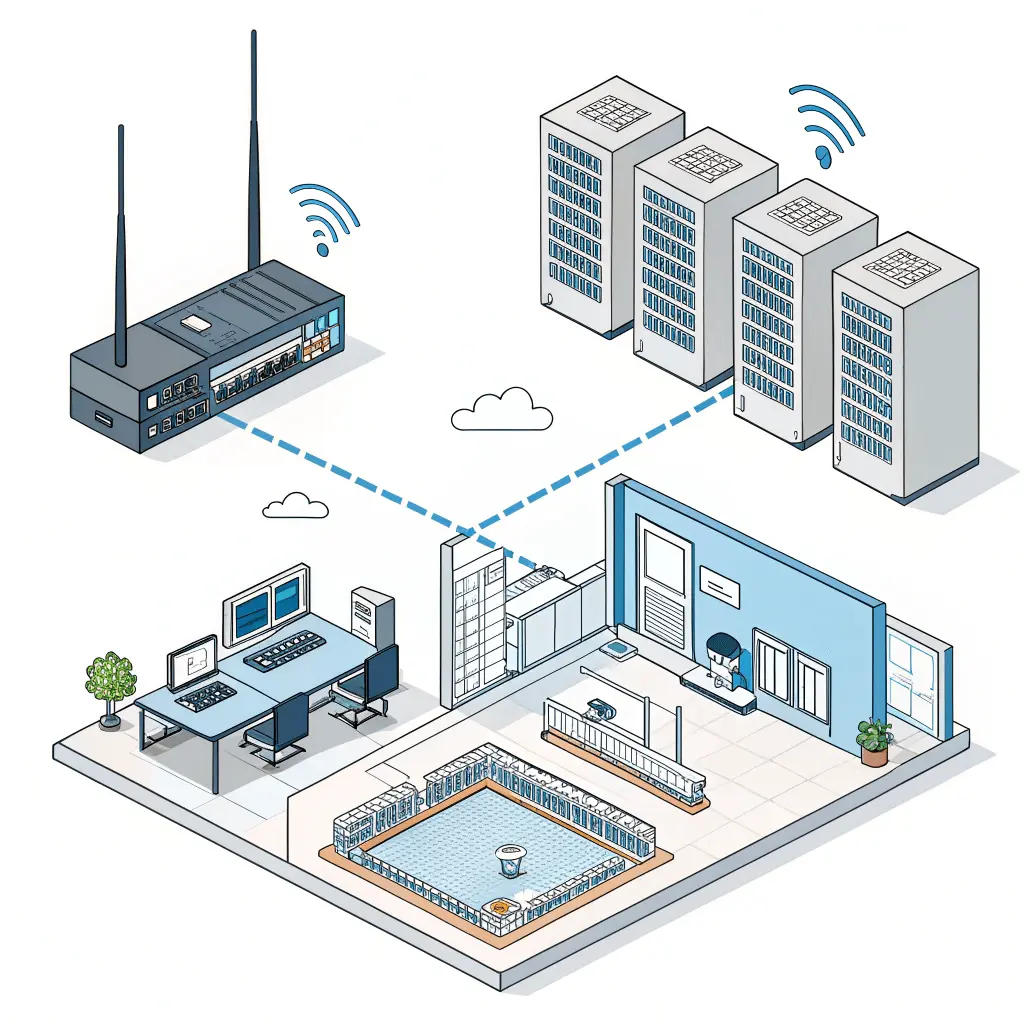
The enterprise-wide area network has undergone a radical transformation as we move through 2026. What was once a collection of rigid, expensive MPLS circuits has evolved into a dynamic and software-defined ecosystem that prioritizes application performance above all else. With the global SD-WAN market projected to reach a valuation of 9.5 billion dollars this year, the technology is no longer an emerging trend but a foundational requirement for any distributed organization. The shift toward hybrid work and the proliferation of AI-driven cloud workloads have made traditional networking models obsolete, forcing security leaders to seek solutions that offer both agility and deep integrated security.
Modern enterprises are no longer satisfied with simple connectivity. They require a platform that can intelligently steer traffic across a mix of broadband, 5G, and private links while maintaining a strict Zero Trust posture. The following five providers represent the pinnacle of SD-WAN innovation in 2026, each offering unique capabilities to help businesses navigate the complexities of a cloud-first world.
1. Fortinet Secure SD-WAN
Overview:
Fortinet continues to dominate the market by successfully converging networking and security into a single, cohesive platform. Their Secure SD-WAN solution is powered by a custom-built Security Processing Unit (SPU) that provides industry-leading performance for encrypted traffic inspection. By integrating a Next-Generation Firewall (NGFW) directly into the SD-WAN appliance, Fortinet eliminates the need for separate security devices at the branch, significantly reducing both capital and operational expenses.
Strategic Positioning
In 2026, the complexity of managing multiple point solutions has become a primary driver of network failure. Fortinet addresses this by providing a unified management console through Fabric Management Center. This allows IT teams to manage their entire security fabric, including switches, access points, and SD-WAN gateways, from a single pane of glass. For organizations looking to maximize their return on investment, the scalability benefits of its SD-WAN network are evident in its ability to support thousands of branches without degrading performance or security posture.
Key Features for 2026
- AI-Powered Application Steering: Automatically identifies over 5,000 applications and steers them over the best available path based on real-time latency and jitter metrics.
- Integrated ZTNA: Every Fortinet SD-WAN appliance now acts as a Zero Trust Network Access enforcement point, ensuring that users can access only the applications they need.
- 5G/LTE Continuity: Native support for 5G ensures that branches have a high-speed wireless backup that can seamlessly take over if a fiber link is cut.
2. Versa Networks
Overview:
Versa Networks remains a top choice for large enterprises and service providers that require a highly customizable, multi-tenant architecture. Unlike many competitors that modified existing router software, Versa built its platform from the ground up to be purely software-defined. This “clean slate” approach allows for incredible flexibility in how networking and security functions are deployed across the enterprise.
Strategic Positioning
Versa is particularly strong in complex environments that require granular control over traffic flows. Their Unified SASE platform integrates SD-WAN, Secure Web Gateway (SWG), and Cloud Access Security Broker (CASB) into a single-pass architecture. This means traffic is decrypted and inspected only once, reducing latency and improving the overall user experience for high-bandwidth applications such as video conferencing and real-time AI agents.
Factual Data Insight
In early 2026, data shows that enterprises using Versa’s multi-tenant architecture have reduced their hardware footprint by an average of 42% compared to traditional legacy deployments. By analyzing the latest wide area network trends, it is clear that the move toward “thin branch” architectures is accelerating. Versa’s ability to host third-party virtual network functions (VNFs) on its own appliances makes it an ideal partner for businesses that want to avoid vendor lock-in while maintaining a robust security stack.
3. VMware by Broadcom
Overview
Despite significant shifts in licensing models over the past year, VMware’s SD-WAN (formerly VeloCloud) remains a powerhouse in the industry. Its reputation is built on its global network of “Gateways”-cloud-hosted points of presence that optimize the path between the enterprise branch and major SaaS providers such as Microsoft 365, Salesforce, and AWS.
Strategic Positioning
The core strength of the VMware solution is its Dynamic Multi-Path Optimization (DMPO). This technology performs per-packet steering, meaning it can reroute a single voice or video call midstream from one link to another if performance degrades. In a 2026 landscape where high-definition video collaboration is the primary mode of business communication, this “sub-second” failover capability is a critical differentiator that ensures 99.999% application availability.
Key Features for 2026
- Cloud OnRamp for SaaS: Provides direct, optimized paths to the world’s most popular business applications, bypassing the traditional data center backhaul.
- Orchestrator Simplicity: The cloud-based orchestrator allows for zero-touch provisioning, enabling a new branch to be online and secure in less than ten minutes.
- Edge Intelligence: Integrates AIOps to provide deep visibility into the user experience, allowing IT teams to identify if a performance issue is caused by the network, the device, or the application provider.
4. Aryaka
Overview
Aryaka offers a unique “as-a-service” model that distinguishes it from traditional hardware-centric vendors. Instead of just selling appliances, Aryaka provides a fully managed global private core network. This allows enterprises to bypass the unpredictable nature of the public internet for their most critical traffic, essentially providing MPLS-like reliability with the flexibility of a software-defined model.
Strategic Positioning
For global organizations with offices in regions where internet quality is inconsistent, Aryaka is an indispensable partner. Their “OnePASS” architecture ensures that security and optimization happen simultaneously at the edge and within the private core. This eliminates the “trombone effect” where traffic is routed to a distant data center for inspection before reaching its destination, a common problem that plagues many hybrid cloud deployments.
Factual Data Insight
Recent ROI calculations for Feb 2026 show that global enterprises switching from traditional MPLS to Aryaka’s managed SD-WAN see a 30% to 50% reduction in total cost of ownership over a three-year period. By identifying the essential qualities of a modern network, businesses can see that the managed service model is becoming increasingly attractive as the internal cybersecurity talent gap widens. Aryaka’s ability to take on the “heavy lifting” of network management allows internal teams to focus on higher-level security strategy.
5. Cato Networks
Overview:
Cato Networks is often credited with pioneering the SASE (Secure Access Service Edge) category, and its SD-WAN solution is a testament to that vision. Cato’s approach is to move the entire network and security stack into the cloud. Every branch and every remote user connects to the nearest Cato Point of Presence (PoP), where all security policies are enforced in a single, unified cloud fabric.
Strategic Positioning:
Cato is the ideal choice for “cloud-first” organizations that have moved entirely away from physical data centers. Their architecture is designed for massive scalability, allowing a business to add hundreds of sites or thousands of remote users with a few clicks in a web browser. Because the security is handled in the cloud, there is no need for expensive, high-performance hardware at every location, making it one of the most cost-effective solutions for rapidly growing companies.
Key Features for 2026
- Global Private Backbone: Over 80 PoPs worldwide connected by multiple tier-1 providers, ensuring low latency and high availability for global traffic.
- Unified Security Service: Includes NGFW, SWG, CASB, and IPS as standard features, all managed through a single interface.
- Managed Threat Detection: Cato offers a built-in MDR (Managed Detection and Response) service that uses AI to hunt for threats across the entire global network, providing an extra layer of protection for businesses without their own SOC.
Conclusion
The decision of which SD-WAN provider to choose depends heavily on your organization’s specific needs. For those seeking the highest level of security and networking convergence, Fortinet remains a clear leader. Organizations with complex, multi-tenant requirements will find Versa’s software-defined approach invaluable, while those prioritizing the user experience for SaaS applications will lean toward VMware. For global reliability without the burden of management, Aryaka is the standout choice; for the purely cloud-native enterprise, Cato Networks offers a streamlined, highly scalable path forward.
As we move deeper into 2026, the integration of Generative AI and automated remediation into these platforms will continue to accelerate. The most successful enterprises will be those that view their SD-WAN not just as a way to connect offices, but as a strategic platform for innovation and security. By choosing a partner that aligns with your long-term digital roadmap, you can build a network that is resilient, agile, and ready for whatever the future of the digital economy brings.
FAQ
Q1. What is SD-WAN?
Software-Defined Wide Area Networking optimizes network traffic. It improves performance and reduces costs.
Q2. Why are enterprises adopting SD-WAN?
It enhances application performance and security. It also simplifies branch connectivity.
Q3. What features should enterprises prioritize?
Built-in security, scalability, and cloud integration. Centralized management is also critical.