

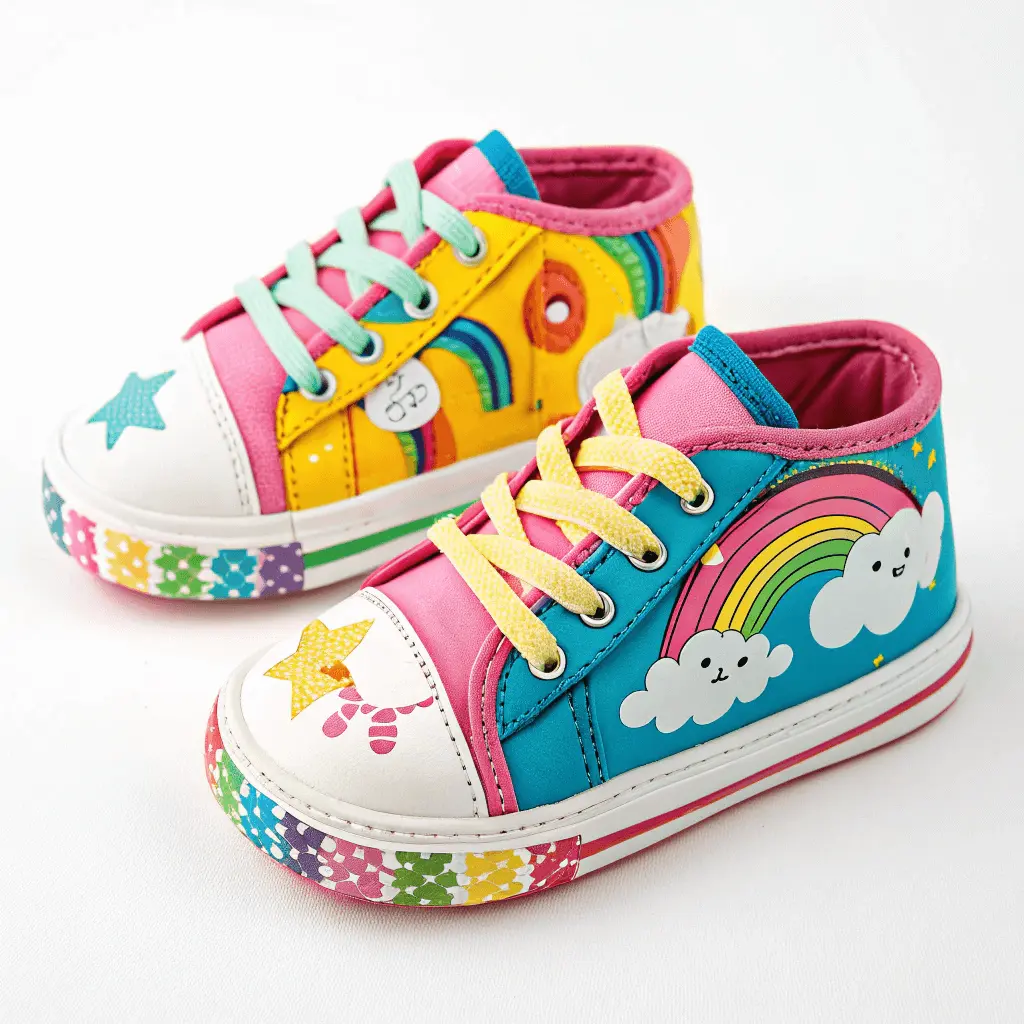
Every parent knows that morning struggle. You’ve found the perfect pair of shoes for your kid. They’re sturdy, they have great arch support, and they were recommended by every podiatry blog you could find. But as soon as you pull them out of the box, your child looks at them like they’re a total chore.
They want the shoes their friends are wearing. They want the colors they saw in a video online. They want what’s cool, while you just want them to be able to run around without getting blisters. Honestly, have you ever wondered why a six-year-old has such strong opinions on suede versus canvas?
Finding the middle ground between what looks good and what feels good is one of those small, daily challenges of parenthood. It seems simple on the surface, but shoes are the foundation for how kids experience the world. If their feet hurt, they’re going to stop playing. If they feel self-conscious, they might hold back. I guess we’ve all been there, watching our kids sit on the sidelines because something just doesn’t feel right.
The goal is simple. We want footwear that supports their physical growth while letting them feel confident in their own skin.
Why Comfort Isn’t Negotiable
Children are constantly on the move. Whether they’re sprinting across a playground or climbing a tree, their feet are doing a lot of work. And because their bones are still developing and are much softer than adult bones, the wrong shoes can actually cause long-term issues. A shoe that’s too tight or too flat can change the way a child walks, and that’s something you want to avoid.
But how do we define comfort when they won’t sit still long enough to tell us? You know, you try to feel for their thumb through the toe box while they’re squirming and laughing. It is a chaotic science.
When we talk about comfort, we’re really talking about a few key things. First, there’s the fit. There should always be a little bit of wiggle room for the toes, usually about a thumb’s width of space at the front. Second is the material. You want fabrics that breathe so their feet don’t get too hot and sweaty. Third is the sole. It needs to be flexible enough to bend with the foot but thick enough to protect it from the pavement.
The Power of Style and Confidence
It’s easy to dismiss style as something superficial, but for kids, it’s a way of expressing who they are. As they get older, they start to notice what their peers are wearing. And having a pair of shoes that they actually like can give them a little boost of confidence when they walk into school. I remember that feeling of a new pair of sneakers on the first day of class, as you could suddenly run faster or jump higher.
This is where the classic designs often win. There’s a reason why certain styles have stayed popular for decades. Take a look at something like the kids’ Adidas Handball Special. It’s a design that’s been around a long time because it hits that sweet spot. It has a vintage, sporty look that kids find cool, but it was originally designed for indoor sports, which means it was built with movement and grip in mind.
It is the best of both worlds.
When you find a shoe like that, you’re giving them the style they want without sacrificing the structure they need. Isn’t that the ultimate parenting win? And that’s the point. We want them to feel good from the ground up.
Finding the Sweet Spot
So how do you actually shop for both?
The best strategy is to look for lifestyle shoes that have a performance background. Many of the most popular sneakers today were originally designed for tennis, basketball, or track. Because they started as athletic gear, they usually have better cushioning and support than a cheap fashion shoe you’d find at a department store. Maybe it takes a little more digging, but your kid’s feet will thank you.
Another tip is to involve your child in the process within a set of boundaries. Give them three options that you know are high quality and supportive. Let them choose the color or the specific model from that list. This gives them a sense of agency and ensures they’ll actually want to put them on in the morning. It saves you the headache of the 7:00 AM meltdown.
Practical Tips for the Perfect Fit
- Shop in the afternoon. Feet tend to swell throughout the day, so buying shoes later ensures they won’t be too tight.
- Check the heel. The shoe shouldn’t slip off when they walk, but it shouldn’t pinch the back of the heel either.
- Look for easy closures. For younger kids, Velcro is a lifesaver. For older kids, make sure they know how to tie their laces tight enough to provide support.
- Watch them walk. If they’re clomping around or changing their stride, the shoes are probably too heavy or the wrong shape for their feet.
The Long-Term View
At the end of the day, shoes are an investment in your child’s health. We often focus on the clothes that look the best in photos, but the shoes are what actually carry them through their day. You see them at the end of the day, shoes covered in playground dust and grass stains, and you realize those shoes are a part of their adventures.
When you find that balance between comfort and cool, you’re removing a barrier. You’re making it easier for them to focus on being a kid, playing hard, and feeling good about themselves. So, is it worth the extra search time? Absolutely.
It might take a little more time to find the right pair, but seeing them run off to play without a second thought makes the effort worth it.