

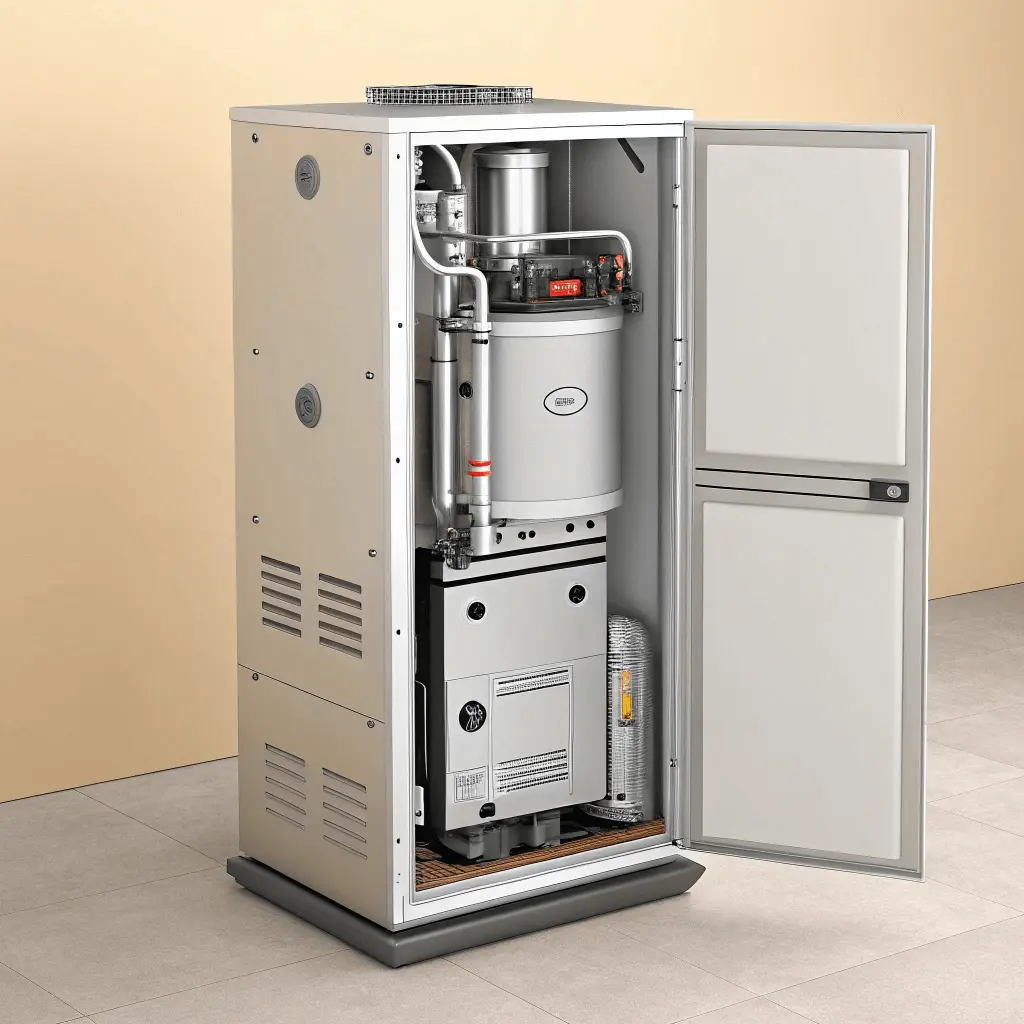
Choosing between a furnace repair and replacement can be difficult. As homeowners, you must invest wisely and opt for a solution that offers both comfort and value for your home. Decisions that involve considering a trade-off between immediate expenses and future savings must be carefully weighed. In this post, we share some insights that may help households consider and select an optimal solution for their specific situation.
Assessing Furnace Age
The useful life of a furnace is around fifteen to twenty years. As some older units will end up needing repairs more often, finding the right parts for such systems may become more challenging. If a system is old, homeowners should check if they can afford to service the system after every breakdown. Modern units are more energy efficient, which can reduce monthly bills and offer better comfort. If you plan to replace your Cincinnati heating system, call experts from reputable manufacturers to ensure sound decision-making and zero post-installation regrets.
Evaluating Repair Costs
Furnace repair costs can vary based on several factors. Small repairs may be cheap, but larger issues can get expensive fast. Replacement is worth some serious consideration if repair costs will be greater than half of the cost of a new model. Getting a heat source repaired multiple times in a short period can also indicate that a heating system is at the end of its useful life.
Considering Energy Efficiency
Typically, older furnaces use more fuel compared to new ones. Advancements in technology have led to improvements in energy use, and newer units are generally much more efficient. You may also notice that heating bills decline with improved performance, leading to savings in the long run if you opt to upgrade. An expert can estimate the approximate operational savings you may enjoy when you choose a product with high energy efficiency ratings.
Reviewing Comfort and Air Quality
As a furnace gets older, comfort and air quality may suffer. You may notice an uneven temperature, cycling more often, or more dust. Modern systems provide advanced temperature and filtration control, providing a healthier home. Upgrading can offer massive benefits to families with allergies or respiratory issues.
Examining Safety Concerns
Older furnaces come with high safety risks. Cracks in heat exchangers or burnt wiring can create dangers like carbon monoxide leaks. Although these systems can be maintained regularly to detect problems early, an aged system may still pose many dangers. Choosing to upgrade to a new unit increases safety and peace of mind.
Factoring in Warranty Coverage
Most older furnaces are out of the manufacturer’s warranty period. However, this is not the case when you buy a new one, since the cost of repairing the damage is covered by the manufacturer when the product is under warranty. Most new systems come with warranties, covering parts and labor for a certain number of years. This coverage provides peace of mind if something goes wrong with your system after installation.
Evaluating Home Value
A brand new furnace can increase the value of your property if you are planning to sell. Energy-efficient systems have always been a plus for home buyers. Upgrading may even increase resale value and allow the property to outshine other similar homes. A furnace that is old or unreliable, on the other hand, may turn prospective homebuyers away.
Calculating Long-Term Savings
Up-front costs of installing a new furnace can be high, but the annual savings in energy bills will likely make up for this initial investment. Reduced energy consumption, minimal repairs, and warranty coverage may result in lower overall costs for many years. Comparing these expected savings with the costs of frequent repairs is important for analysis.
Consulting a Professional
An experienced technician can assess the condition of an existing furnace. Their honest recommendations can be based on all the factors listed above, including the age of the system, how many repairs have already been made, and how efficiently it is currently running. This allows homeowners to make a decision that fits their budget, as well as their sense of comfort.
Conclusion
Assessing several factors can help you decide between repair and replacement. These variables, ranging from age, efficiency, and repair history to safety and comfort, play an equally important role in this decision.
In many cases, replacing a furnace that is older or breaks down frequently is more cost-effective in the long run, as it offers homeowners less costly and more reliable service. Calling a trusted professional for assistance helps you choose the most suitable alternative for your heating needs.