
Custom T-shirt printing is a powerful way to create unique clothing designs, build brand identity, or simply express creativity. But when it comes to choosing the right printing method, it’s easy to feel overwhelmed by the variety of options available. Three of the most popular printing methods—Direct-to-Film (DTF), Direct-to-Garment (DTG), and screen printing—each offer distinct advantages. Understanding how these methods compare in terms of cost, design flexibility, fabric compatibility, and durability will help you make the best choice for your needs.
What Is DTF Printing?
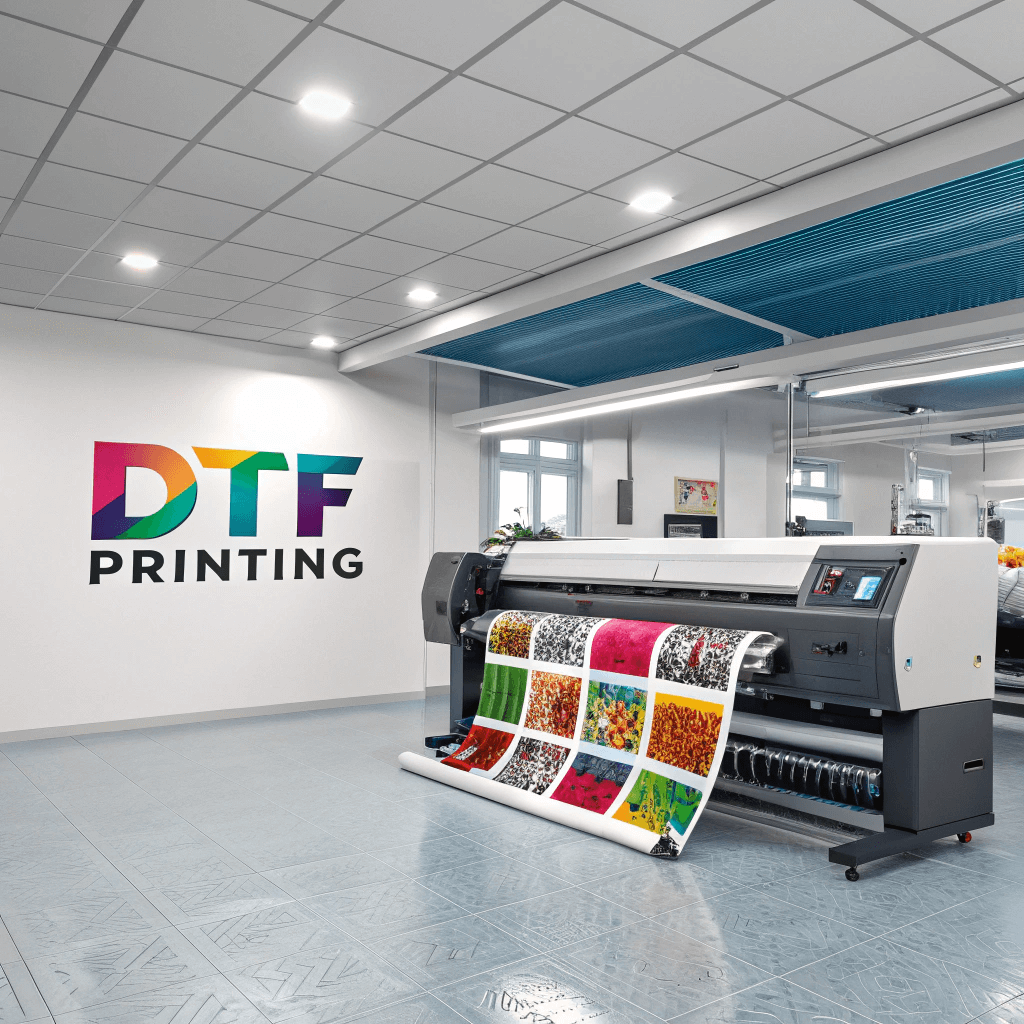
Direct-to-Film (DTF) printing is a relatively new technique that involves printing a design onto a special film, which is then transferred onto fabric using a heat press. This method has gained popularity for its ability to print high-quality, vibrant designs with great precision, all while being able to work on a variety of fabric types. DTF printing is especially known for its ability to handle complex, multi-colored designs.
One key benefit of DTF printing is its versatility. It works well on cotton, polyester, and blended fabrics, making it a great option for different types of apparel. Whether you’re printing on sportswear, custom T-shirts, or even bags, DTF can handle the job.
For those looking to invest in professional equipment, the Epson Surecolor G6070 DTF printer is a great choice. This printer provides excellent results with high color vibrancy and durability, making it an ideal option for those who want consistent quality on different fabric types.
What Is DTG Printing?
Direct-to-Garment (DTG) printing involves spraying ink directly onto fabric using inkjet technology. It’s perfect for printing detailed and full-color designs. Unlike screen printing, DTG doesn’t require a stencil or screen, so it allows for greater design flexibility. This makes it an excellent choice for custom T-shirts that feature intricate graphics, photos, or full-color artwork.
One of the main advantages of DTG printing is its low setup cost. For small orders or one-off prints, DTG is a cost-effective solution. It also doesn’t require any preparation of the design or the fabric, which makes the process relatively fast. However, DTG works best on cotton fabrics. Printing on polyester or mixed fabric may result in less vibrant colors or a print that doesn’t last as long.
What Is Screen Printing?
Screen printing is the oldest and most traditional method of T-shirt printing. It involves creating a stencil (or screen) and using it to apply layers of ink to the fabric. This method is ideal for large-volume orders with simple, bold designs. It is known for its durability and vibrant results, especially on cotton fabrics.
One of the major benefits of screen printing is its cost-effectiveness when producing large quantities. Since the setup cost is high, it becomes more affordable per unit as the volume increases. However, screen printing can be less efficient for small runs or complex designs, as each color requires a separate screen, and setup time can be significant.
Comparing DTF, DTG, and Screen Printing
Now that we’ve looked at what each method is, let’s compare DTF, DTG, and screen printing based on some key factors:
Cost of Setup and Production
- DTF Printing: The initial investment for DTF printing equipment can be higher than DTG, but the per-unit cost is relatively affordable, especially for small-to-medium orders. The cost of the film and ink is also an important factor, but it’s still competitive compared to other methods.
- DTG Printing: DTG has a low setup cost, making it ideal for small orders and one-off designs. However, the cost per unit is higher for small runs, especially when dealing with detailed or large prints.
- Screen Printing: Screen printing requires significant upfront costs for setup, including screens and a press. However, once the setup is complete, it’s very cost-effective for large orders, making it the best option for businesses that need to produce large quantities.
Design Flexibility
- DTF Printing: DTF printing allows for high flexibility with complex, multi-colored designs. It is ideal for custom T-shirts with intricate artwork or photos. Additionally, it works well with both light and dark fabrics.
- DTG Printing: DTG also offers great design flexibility, especially for full-color prints and detailed designs. However, it is most effective on cotton and may not produce the same vibrancy on polyester or blended fabrics.
- Screen Printing: Screen printing is better suited for simple, bold designs with a limited number of colors. While it can handle large quantities efficiently, it lacks the versatility of DTG and DTF when it comes to complex or multi-colored artwork.
Fabric Compatibility
- DTF Printing: One of the biggest advantages of DTF printing is its ability to print on a wide range of fabrics, including cotton, polyester, and blends. This makes it an excellent choice for businesses or individuals looking for versatility in fabric options.
- DTG Printing: DTG printing works best on cotton, and while it can be used on other fabrics, the results may not be as vibrant or durable. For optimal results, DTG is best suited for 100% cotton apparel.
- Screen Printing: Like DTF, screen printing works best on cotton, though it can be adapted for other fabrics. However, printing on synthetic materials like polyester requires special inks and techniques, which can increase costs.
Durability and Quality
- DTF Printing: DTF prints are known for their durability, especially when properly cured. The prints remain vibrant and resistant to wear, even after multiple washes. The key to long-lasting results lies in the curing process, which is why it’s essential to invest in a quality heat press.
- DTG Printing: While DTG prints offer high-quality, full-color designs, they tend to fade over time, particularly if they are not treated correctly. The durability of DTG prints largely depends on the fabric used, with cotton producing the best results.
- Screen Printing: Screen printing is known for its exceptional durability. Prints can last for many years without fading or cracking, especially when done on high-quality fabrics and with proper curing.
Speed and Efficiency
- DTF Printing: DTF printing is relatively fast, especially for small to medium runs. The process involves printing onto film, which then needs to be heat-pressed onto the fabric. While the setup is quick, curing the print after heat pressing can add time to the overall process.
- DTG Printing: DTG printing is slower compared to DTF and screen printing, especially when printing large designs or large quantities. However, it is quick for small runs and offers immediate, high-quality results.
- Screen Printing: Once the setup is complete, screen printing is very efficient, especially for large orders. The time-intensive process happens during setup, but once everything is in place, you can print large volumes quickly.
When to Choose DTF, DTG, or Screen Printing
- DTF Printing: Choose DTF printing for small to medium orders with detailed, full-color designs, especially if you need versatility across fabric types (cotton, polyester, blends).
- DTG Printing: Opt for DTG when you’re printing small batches or one-off designs, particularly if you’re working with cotton and need high-resolution, full-color prints.
- Screen Printing: Screen printing is the best choice for large orders of simple designs with fewer colors. It’s highly cost-effective for bulk orders and offers unmatched durability.
Common Mistakes to Avoid When Choosing a Printing Method
- Misunderstanding Fabric Compatibility: Make sure the printing method you choose works well with the fabric you intend to use.
- Overlooking Setup Costs: For large orders, screen printing may be the most economical, but the upfront setup costs can be high. Don’t underestimate the importance of factoring in setup time and costs when deciding.
- Ignoring Durability: Different methods offer varying levels of durability. Always consider the longevity of your prints, especially for items that will be washed frequently.
Conclusion
When choosing a printing method for custom T-shirts, it’s important to understand the key differences between DTF, DTG, and screen printing. Each has its strengths, from the flexibility and vibrant results of DTF to the cost-effectiveness of screen printing for bulk orders. By assessing your needs—whether it’s cost, design complexity, fabric compatibility, or durability—you can make an informed decision on the best printing method for your project.