

In 2026, the exterior of a home does more than protect what’s inside. It sets expectations. It signals value before a buyer ever steps through the door.
Rising construction costs, higher buyer standards, and endless online listings have changed how homes are evaluated. Curb appeal is no longer a “nice to have.” It directly affects perceived quality, time on market, and final sale price. A dated exterior can quietly shave tens of thousands off a property’s value. A well-designed one can do the opposite.
The good news? Exterior upgrades are often among the highest-ROI improvements you can make. The trends for 2026 reflect that reality. They are bolder, more intentional, and focused on long-term value rather than fleeting aesthetics.
Bold Facades: Moving Beyond “Safe” Exterior Colors
Neutral doesn’t mean invisible anymore. In 2026, buyers are drawn to homes that feel confident from the outside.
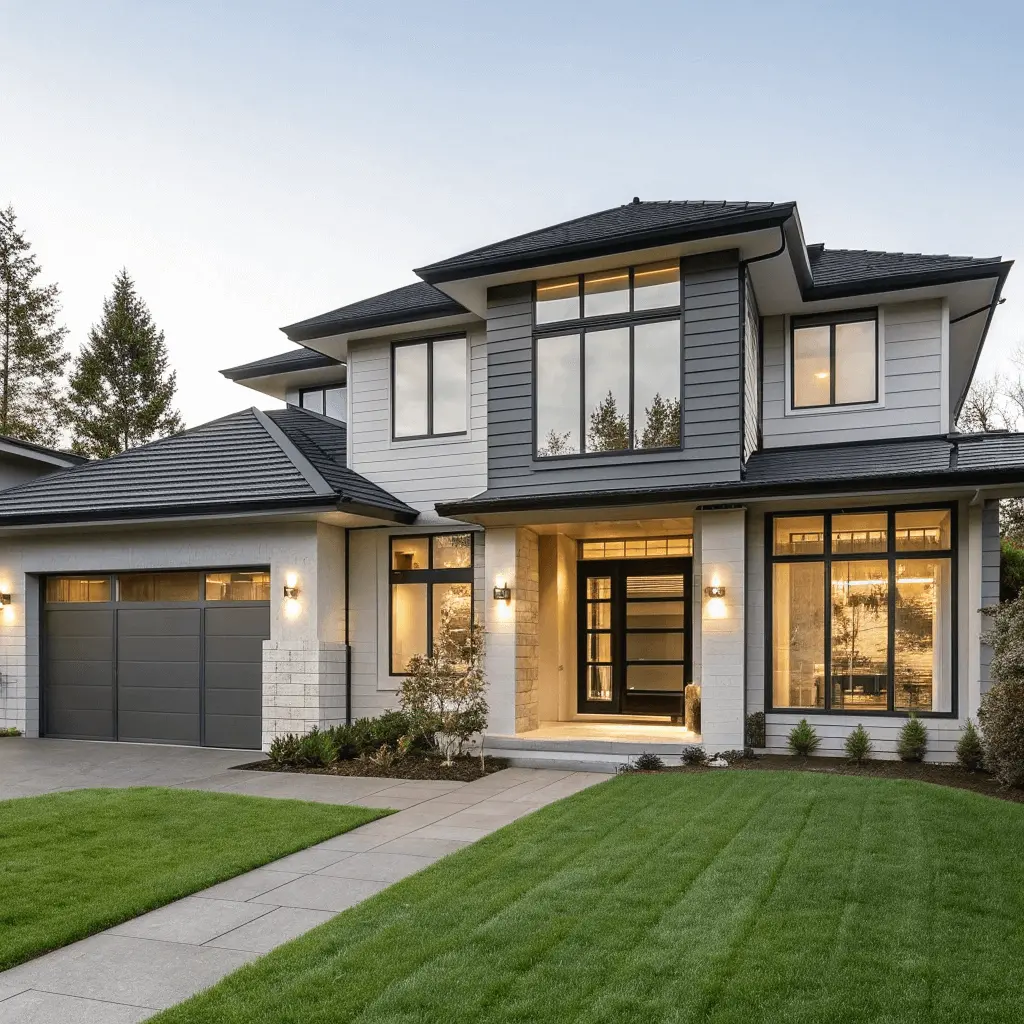
Dark, saturated tones such as charcoal, warm black, deep olive, and rich taupe are replacing light beige and pale gray. These colors add weight and presence. They make a house look more substantial and more expensive, even when the structure itself hasn’t changed.
Contrast is key. Dark facades paired with lighter trim, natural wood accents, or stone elements create depth and visual interest. This approach photographs well and stands out in listings, which matters more than ever.
Importantly, bold doesn’t mean risky when done right. The trend favors timeless shades over novelty colors. Think grounded, architectural tones that will still look relevant a decade from now. Buyers interpret this as confidence and quality, not trend-chasing.
Modern Shingles: A High-ROI Upgrade Buyers Notice
Roofing rarely gets the spotlight, but buyers notice it immediately, especially when it looks neglected. That is why homeowners are increasingly turning to tools like a shingle estimator early in the planning process, treating the roof as a strategic upgrade rather than a last-minute repair.
In 2026, architectural shingles continue to dominate over traditional flat options. Their layered design adds texture and shadow, giving the roof a more dimensional, premium appearance. This alone can elevate the entire home.
Color trends lean toward darker, blended tones such as charcoal, weathered black, deep brown, and mixed grays. These colors complement modern facades and help the roof visually anchor the structure rather than fade into the background.
Beyond aesthetics, performance matters. Energy-efficient shingles that reflect heat, withstand extreme weather, and offer long warranties are increasingly expected. Buyers see a newer, high-quality roof as a reduced future expense. Appraisers do too.
Few exterior upgrades combine visual impact, functional benefit, and resale value as effectively as modern shingles.
Mixed Materials: The New Luxury Standard
Single-material exteriors feel flat in comparison to what buyers now expect.
Homes in 2026 often combine two or three exterior materials to create contrast and texture. Stone bases with smooth siding above. Wood accents paired with metal detailing. Vertical panels offset by masonry or stucco.
This layered look adds perceived craftsmanship. It suggests intentional design rather than cost-cutting. Even modest homes benefit from strategic material mixing when it’s done sparingly and thoughtfully.
The key is balance. Too many materials can look chaotic and cheap. The most effective designs use contrast to guide the eye, not overwhelm it. When executed well, mixed materials are one of the clearest signals of a higher-end property.
Statement Entryways That Instantly Elevate Value
The front door is the emotional center of the exterior. It’s where first impressions become personal.
Oversized doors, especially those with simple vertical lines or subtle glass inserts, are gaining popularity. Natural wood finishes and high-quality composites that mimic wood without the maintenance are both in demand.
Hardware matters more than most people realize. Matte black, brushed bronze, and dark steel finishes add a sense of weight and durability. Cheap hardware undermines even the best door design.
Lighting completes the entryway. Soft, directional fixtures that highlight the door without harsh glare create a welcoming feel. Buyers respond to homes that feel intentional and well-lit, even in daylight.
Sustainable Design That Buyers Will Pay More For
Sustainability has moved from niche to expectation.
In 2026, buyers actively look for exterior features that reduce energy costs and environmental impact. Energy-efficient windows, reflective roofing materials, and responsibly sourced siding are no longer selling points—they’re baseline requirements in many markets.
What’s changed is perception. Sustainable materials are now associated with quality and longevity, not compromise. Homes that incorporate them feel future-proof. Buyers are willing to pay more for that reassurance.
The most successful designs integrate sustainability quietly. No greenwashing. No gimmicks. Just smart choices that lower operating costs and improve comfort.
Outdoor Living Spaces as an Extension of the Home
Exterior design no longer stops at the walls.
Front porches are making a comeback, especially in suburban and mixed-density neighborhoods. They add charm, usability, and a sense of community. In the back, covered patios and simple outdoor living areas increase usable square footage without major construction.
The emphasis is on low maintenance. Durable materials, minimal landscaping, and clean lines appeal to buyers who want function without constant upkeep.
Outdoor spaces don’t need to be elaborate. They need to feel intentional. Even a small, well-designed area can significantly boost perceived value.
Smart Exterior Features That Increase Perceived Value
Technology is becoming part of exterior design, but in a subtle way.
Integrated lighting systems that adjust automatically, discreet security features, and smart access points are increasingly expected. The key is restraint. Buyers want convenience, not complexity.
Visible clutter—exposed cameras, bulky panels, mismatched fixtures—can detract from the design. The best smart features blend into the architecture and quietly enhance daily life.
When done right, smart exterior elements signal modernity and foresight. They make a home feel current without shouting about it.
Exterior Trends to Avoid in 2026
Not every bold choice adds value.
Overdone farmhouse elements, such as excessive faux wood or decorative shutters that serve no purpose, are losing appeal. So are highly trendy colors that date a home within a few years.
Cheap materials disguised as modern are especially damaging. Buyers recognize shortcuts. What looks cost-effective upfront often reads as a liability later.
In 2026, restraint and quality matter more than novelty.
Final Thoughts: How to Choose Exterior Upgrades That Pay Off
The most valuable exterior designs aren’t the loudest. They’re the most coherent.
Start with the elements that signal long-term quality: roofing, materials, and structure. Then layer in color, contrast, and detail. Always consider how choices will age, not just how they look today.
Investors and homeowners may have different budgets, but the strategy is the same. Prioritize upgrades that reduce future costs, enhance durability, and create strong first impressions.
Trends change. Good design principles don’t. In 2026, homes that balance boldness with longevity are the ones that hold—and grow—their value.