

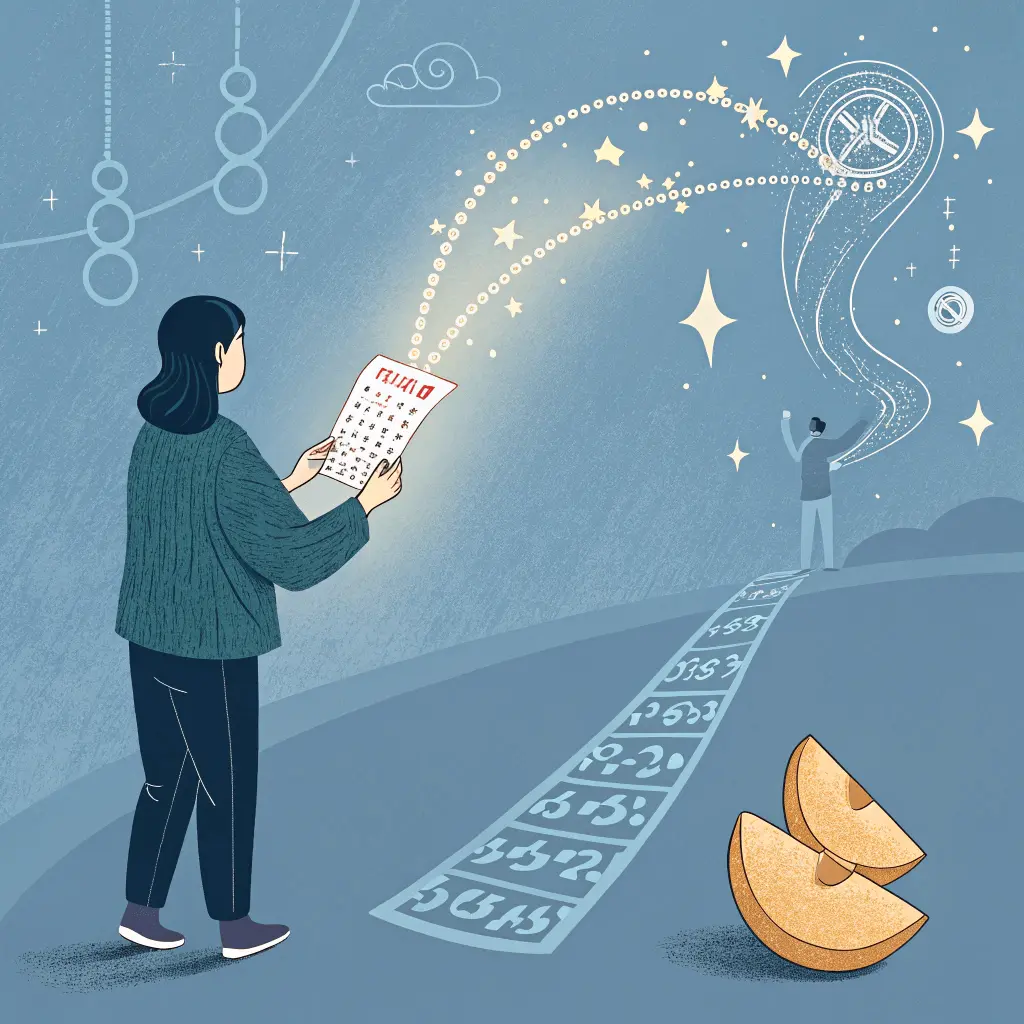
Luck used to feel simple. You waited after flipping a coin, rolling the dice, and drawing a card. Whatever followed felt unintentional and unaffected by reason. It either went your way or it didn’t. That uncertainty was the point.
Today, things feel different. We live surrounded by systems that calculate, predict, and optimize almost everything we do. Our phones are aware of our destination before we even leave the house. Platforms make recommendations for possible shows, what to watch next, and when we’re ready for something new. And yet, despite all this precision, people still crave chance. Even simple digital games like chicken road show that unpredictability hasn’t lost its appeal — it’s changed shape.
Luck didn’t disappear when algorithms arrived. It adapted.
The intriguing thing is how accustomed we have grown to that conflict.
On one hand, we trust systems built on logic and data. Conversely, we voluntarily enter situations when the results are yet unknown. On an emotional level, it makes perfect sense, despite the incongruous sound.
Because complete predictability is boring.
Humans don’t just want results. They want the possibility.
That feeling you get right before something happens—that quiet pause where anything could go either way—still matters. Maybe now more than ever.
We live highly structured lives. Calendars are full. Days are planned. Even rest can feel scheduled. When so much feels controlled, moments of chance start to feel refreshing rather than risky. They break the rhythm. They interrupt the script.
And that interruption feels alive.
Algorithms, despite their reputation, don’t actually remove uncertainty. They shape it. They surround it with stability so that people can experience uncertainty without going into a tailspin. The emotional experience is still open, but there is a framework below.
That balance is crucial.
Too much randomness creates anxiety. Too much control creates numbness. Somewhere in between, curiosity thrives.
What people respond to isn’t pure luck — it’s contained luck. A space where surprise exists, but safety is implied. Where you can lean into uncertainty without feeling lost.
The reasons why individuals enjoy mystery novels or tense films are similar. Although the story’s ending is unknown to you, you are certain that it will. That area between knowing and not knowing continues to pique your curiosity.
Digital environments recreate that gap.
And the brain reacts strongly to it.
There’s a reason why the feeling of anticipation is frequently superior to the actual result. In terms of neurology, dopamine is released by the brain when a positive event may occur rather than when it does. The waiting carries its own reward.
Because of this, even little moments can have significance. They temporarily disrupt our routine, not because they bring about significant changes.
Routine is useful, but it can also flatten emotion.
Luck — or the feeling of it — restores texture.
What’s also changed is how personal these moments feel. In the past, chance often came from physical objects: cards, wheels, dice. Today, it comes through screens. That might sound less real, but emotionally, it often feels more intimate.
The experience unfolds right in front of you. The timing is precise. The feedback is immediate. The moment feels contained and focused.
It’s just you and the outcome.
That intimacy matters. It turns abstract probability into something personal, even fleetingly so. For a second, the numbers feel like they’re speaking directly to you.
Of course, rationally, we know systems are running underneath it all. We know algorithms exist. But emotionally, we still respond to the moment as if it’s alive.
Because feelings don’t operate on logic alone.
You can find comfort in knowing that, while the outcome isn’t certain, the environment is steady. The rules don’t shift unexpectedly. The space remains familiar. That reliability creates trust, and trust allows people to relax.
Without that trust, chance would feel threatening.
With it, chance feels playful.
That’s an important distinction.
In a culture where everything is predictable, including purchasing patterns and transportation patterns, unexpected moments are immensely valuable. They act as a reminder that not every choice has been decided in advance.
That reminder carries emotional weight.
It suggests that surprise is still possible. That outcomes aren’t always fixed. That something small and unexpected can still happen.
And maybe that’s why luck continues to matter, even in a data-driven age.
Not because people believe in randomness the way they once did, but because they believe in how it feels.
The feeling hasn’t changed much over time. The setting has.
Technology didn’t erase our attraction to uncertainty. It gave it new tools, new shapes, new rhythms. It learned how to offer chance in a way that is secure, engaging, and emotionally satisfying.
Furthermore, that framing will probably become much more fluid as algorithms advance.
But the core desire won’t disappear.
People will always be drawn to that brief moment where expectation and uncertainty meet. Where the outcome hasn’t landed yet. Where anything still feels possible.
No matter how advanced our systems get, waiting will always feel human. Hope and that quiet spark of “maybe” remain part of us.
And that spark, algorithm or not, still feels a lot like luck.